Dracula: From Page to Stage
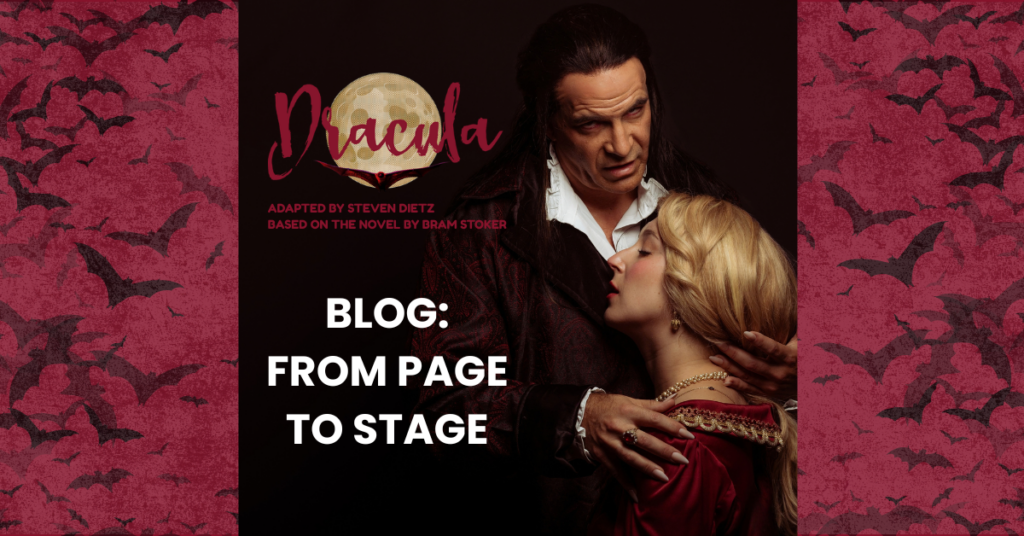
Dracula: From Page to Stage
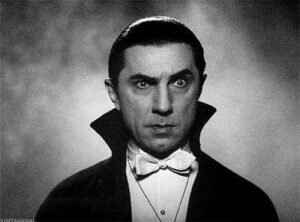
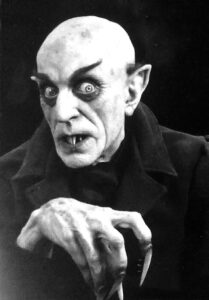
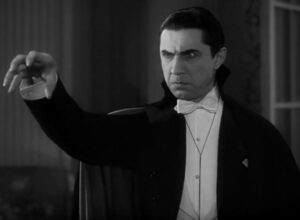
Steven Dietz’s adaptation of Dracula brought the famous Count to life in 1996, almost 100 years after Bram Stoker’s original story was published in 1897. Since then, Bram Stoker’s Dracula has never been out of print, an ironic reflection of tee immortality of the Count. The novel’s influence in popular culture has been immense and long-lasting. Count Dracula has enjoyed wide popularity in almost all modern media, as there are countless film, television, and stage adaptations. This list includes the German silent film, Nosferatu (1922), which was an unauthorized adaptation of Stoker’s tale, as well as the classic horror film Dracula (1931), famously starring the Hungarian-born Bela Lugosi in the titular role. Yet the Count’s appetite for reinvention remains present in modern cinema. From Francis Ford Coppola’s gothic romance Bram Stoker’s Dracula (1992) to high-concept modern re-imaginings like The Last Voyage of the Demeter (2023) and Robert Eggers’ 2024 interpretation of Nosferatu, storytellers continuously unearth Stoker’s tale to terrify new generations.
About Gothic Horror:
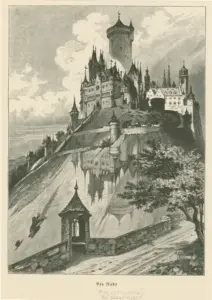
When observing the history of Dracula, we must first understand the context in which it was written. The novel was written in an era ripe with Gothic fiction classics, such as Horace Walpole’s dark and foreboding The Castle of Otranto in 1764. Gothic fiction contains the subgenre of Gothic horror, to which Dracula belongs. Novels of this type often explored the implications of morality, philosophy, and religion. Authors would create evil villains to act as metaphors for specific temptations to which the protagonist might succumb. The novels’ conclusions would, more often than not, be unhappy. Romance, though usually present, was rarely a major thematic focus. Trademarks of Gothic horror novels include a symbolic battle between humanity and the unnatural forces of evil, whether man-made or supernatural, as well as bleak, cryptic imagery.
Stoker and His Novel:
 When Bram Stoker set out to write Dracula, he spent nearly a decade meticulously executing a nightmare that would reshape Gothic literature forever. Bedridden by a sickly childhood in Dublin, Stoker filled his early years absorbing Irish folklore and eerie tales told by his mother, establishing a lifelong fascination with the macabre. Balancing his exhaustive research on Transylvanian Folklore, Stoker concocted a real-world drama with ancient superstitions. Stoker birthed an immortal icon by channeling his fascination with the enigmatic actor Sir Henry Irving and the dark anxieties of late-Victorian society. While contemporary 1897 reviewers praised its terrifying suspense and gripping atmosphere, the book was only a modest commercial success in Stoker’s lifetime, far from presaging its explosive legacy. It was not until the early 20th century, through iconic stage adaptations and screen revivals, that Dracula transcended its 19th-century origins to unleash an immortal monster that continues to dominate pop culture today.
Dietz Vs. Stoker:
When theatre director Steven Dietz adapted Dracula, he had to engineer Stoker’s story into one that fit the stage. His adaptation functioned both as a faithful homage to the novel’s Gothic roots as well as an exhilarating immersive experience invented for modern audiences. Dietz stripped away the slow exposition of 19th-century prose, instead opting to thrust the audience straight into the darkness. We follow Mina, Harker, Van Helsing, and Seward as they race against time to stop an ancient evil, Dracula, before it consumes them all.
Dietz’s adaptation honored the original’s enigmatic terror and period aesthetic, albeit with a heightened theatrical intensity. Where earlier stage versions relied heavily on slow-moving parlor conversation, Dietz used fluid scene transitions and intense psychological emphasis to make the threat of the immortal vampire feel very palpable.
The Dracula of Present:
The journey from Bram Stoker’s classic novel to the modern stage proves that while society’s cultural fears and interests evolve, the fascination with Gothic fiction still remains. Dietz’s Dracula stands as an unapologetic love letter to this form of storytelling, combining moral pontifications with chilling terror. The history of Dracula should remind us that a fascination with the mysterious and cryptic is part of the human condition. This adaptation ensures that when audiences witness the silhouette of the calculating Count, they feel they are in the midst of one of theatre’s most enduring traditions. Whether the year is 1897, 1996, or the present day, the dark has managed to lure us in as we wait to see what comes out of the mist.
Dracula