
The Art of the Affair: From Noël Coward to the Chaos of The Cottage
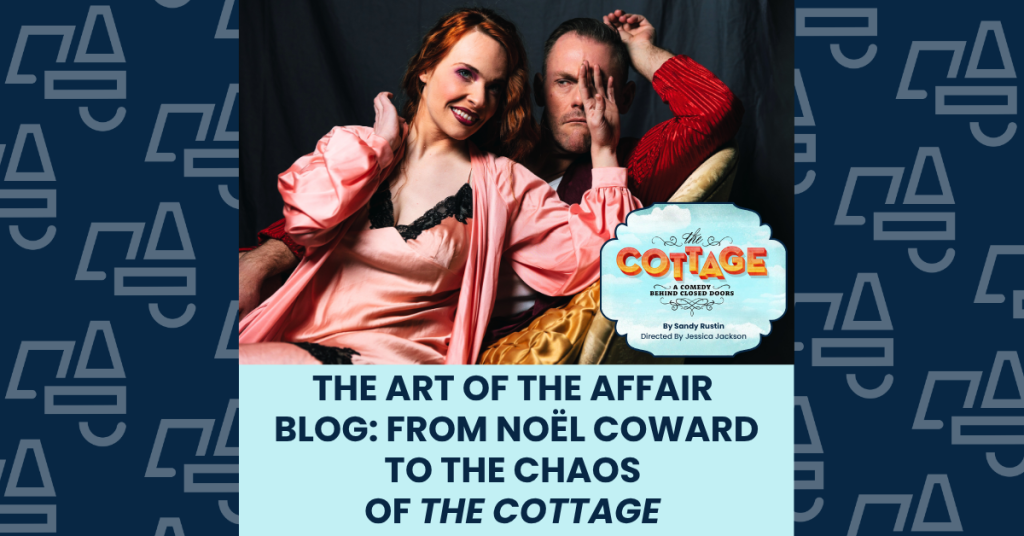
The Art of the Affair: From Noël Coward to the Chaos of The Cottage
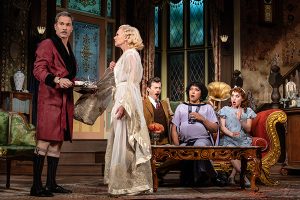
There is something deliciously captivating about a slamming door. In the hallowed halls of theatrical history, few things ignite an audience’s adrenaline quite like a secret lover hiding under a bed or a stray husband walking through the French doors at the exact wrong moment. This is the heart of the sex farce, a genre built on the elegant architecture of high society and the messy, frantic blueprints of human desire.
Before Sandy Rustin’s The Cottage took Broadway by storm in 2023, the stage was set by British playwrights, Noël Coward and George Bernard Shaw. These playwrights transformed the “drawing-room comedy” into a battlefield of romantic entanglements and sharp-tongued satire. Specifically, playwright Noel Coward’s Private Lives (1930) defined the genre’s DNA, proving that sophisticated dialogue and ridiculous romantic warfare are two sides of the same coin. Today, The Cottage carries this torch, playfully spoofing the very traditions it so lovingly inhabits.

A History of Scandal: Defining the Sex Farce
The sex farce evolved as a rebellious response to Victorian stifling. It is a genre that weaponizes the “well-made play” structure to explore the gap between public propriety and private passion. A true sex farce is precise and has to hit certain elements to make sure it works. Each play includes certain elements to reel in its audience with excitement and mystery. Its primary fuel includes:
- Romantic Entanglements: Interlocking webs of “who is with whom” that nearly require a spreadsheet to track.
- Secret Affairs: The foundational lie that sets the plot in motion.
- Mistaken Identities: A classic trope where a character is assumed to be someone else, leading to escalating stakes.
- Physicality: Rapid-fire dialogue paired with grueling physical comedy. Running, hiding, dancing, fainting, and, of course, the ubiquitous slamming door.
 The Architects of Wit
While the French “bedroom farces” of Georges Feydeau provided the slapstick, the British masters added the intrigue. George Bernard Shaw used witty social satire to poke fun at the rigid class structures of the era, while Noël Coward perfected the “sophisticated” comedy.
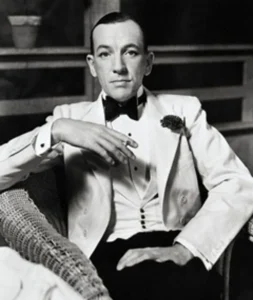
Coward’s Private Lives is perhaps the ultimate blueprint. When a divorced couple finds themselves honeymooning with their new spouses in adjacent hotel rooms, elegant bickering comes about. Other staples of the genre include:
- Oscar Wilde’s The Importance of Being Earnest (The iconic precursor to modern farce).
- Alan Ayckbourn’s Bedroom Farce (A 1970s evolution of the form).
- Marc Camoletti’s Boeing-Boeing (The gold standard for mathematical door-slamming).
The Cottage: Rustin’s Modern Riff on Tradition
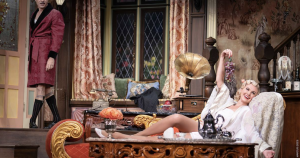
When Sandy Rustin penned The Cottage, she wasn’t just writing a comedy. She was experimenting with theatrical time travel. The play functions as both a loyal practitioner of farce and a cheeky spoof of its most famous tropes, while including modern elements to ensure its appeal to a modern audience.
Set in the English countryside in 1923, The Cottage leans heavily into the hallmark elements of its predecessors. We have Sylvia, a woman who decides to come clean about her affair with her brother-in-law, Beau. This eventually creates a domino effect that includes the whole cast.
Rustin honors the rapid pacing and escalating absurdity of Coward and Shaw, but she injects a contemporary sensibility into her female characters. While classic farces often treated women as either shrews or prizes to be won, The Cottage gives its protagonist agency. Sylvia isn’t just a participant in the chaos. She becomes a character with the same point-of-view as the audience. She asks questions about the absurd relations of the rest of the cast that allows the audience to feel relief knowing that the relations are actually strange, despite the rest of the cast’s composure. The play mocks the absurdity of 1920s gender roles while utilizing the period’s aesthetic to keep the “whimsy” intact.
From the 1920s to Today: A Timeless Love Letter
The journey from Noël Coward’s smoking jacket to Sandy Rustin’s English countryside retreat proves that while our social mores change, our love for a well-timed revelation never fades. The Cottage stands as a contemporary love letter to the sex farce, bridging the gap between the biting satire of Shaw and the playful irreverence of modern Broadway.
Ultimately, the lineage of this genre reminds us that humans have always been, and will likely always be, beautifully ridiculous when it comes to love. By embracing the “delicious messiness” of its ancestors, The Cottage ensures that the art of the affair remains one of the theater’s most enduring, and hilarious, traditions. Whether it’s 1923 or 2026, there is nothing quite as satisfying as watching a room full of people try to keep a secret that the audience already knows.
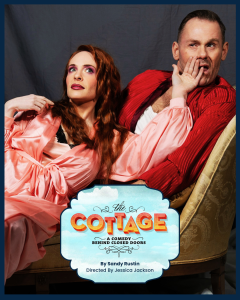 The Cottage
By Sandy Rustin
Directed by Jessica Jackson
March 21, 2026 – April 18th, 2026
It’s 1923, and Sylvia’s holiday in the English countryside comes with a little… extra baggage, her lover. When she boldly decides to drop the salacious truth about her affair onto her husband, and her secret lover’s wife, all bets are off! Confessions fly, passions flare, and chaos reigns supreme in The Cottage; a fizzy cocktail of a farce infused with Noël Coward wit and “Clue”-like calamity
CONTENT WARNING: Contains adult language and themes. For specific questions on content, please contact info@openstage.com